

Regular vehicle breakdowns and unexpected repair bills erode productivity and safety. A vehicle maintenance checklist, whether a comprehensive fleet maintenance checklist or a detailed full car service checklist, is a structured list of inspection and servicing tasks designed to preserve performance, prevent failures and extend asset life.
This professional guide equips car owners, truck drivers and fleet managers with actionable schedules, essential component checks, custom checklist design, preventive best practices, Australian compliance requirements, daily and pre-trip inspection routines, plus resources for downloadable and interactive templates. It’s an indispensable resource for any fleet management company aiming for operational excellence.
A vehicle maintenance checklist is a systematic schedule of preventive maintenance actions that maps specific tasks—such as oil changes, brake inspections and fluid level assessments—to defined time or mileage intervals. By ensuring every engine component, braking assembly and safety feature receives timely attention, this checklist, be it a full car service checklist for personal vehicles or a robust fleet maintenance checklist for commercial operations, reduces breakdown frequency, lowers repair costs and promotes driver safety. Understanding the role and structure of this checklist establishes the foundation for all subsequent maintenance planning and compliance measures.
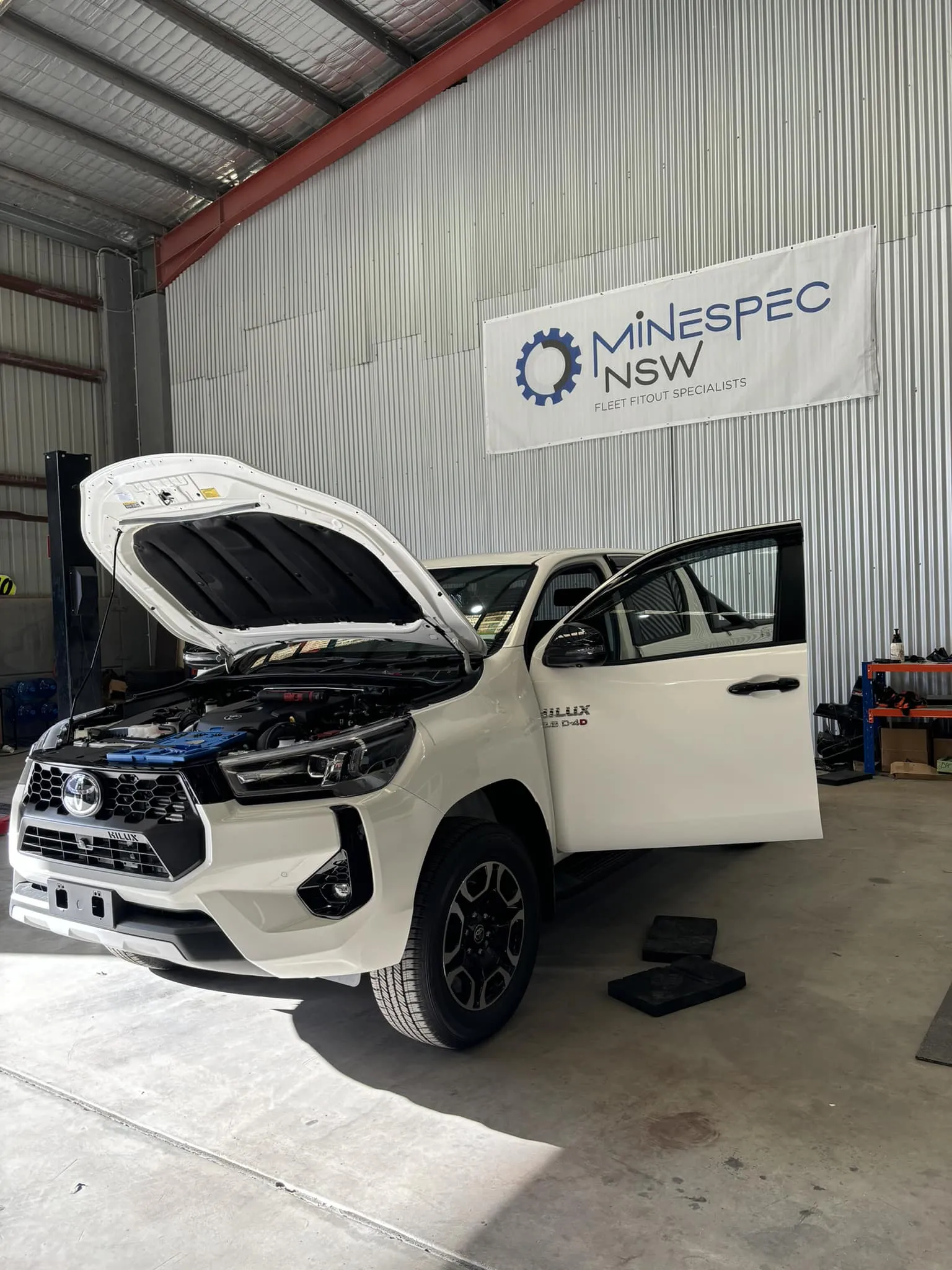
Regular maintenance improves reliability by detecting wear before it leads to failures, enhances safety through timely brake and tyre inspections, and boosts fuel efficiency via clean filters and correct fluid levels. It also maintains resale value by documenting service history and fosters regulatory compliance, particularly for commercial fleets, which is crucial for effective fleet management.
Routine vehicle care delivers three core advantages:
Research by the American Transportation Research Institute (ATRI) indicates that fleets implementing comprehensive preventive maintenance programmes can save an average of $4,000 per truck annually by significantly reducing unscheduled downtime. This proactive approach not only lowers repair costs but also extends the operational lifespan of vehicles and improves fuel efficiency, proving invaluable for any fleet management company.
This research directly supports the article’s claims regarding the cost control and longevity benefits derived from consistent vehicle maintenance practices.
These benefits illustrate why every scheduled check contributes directly to uninterrupted operations and occupant protection.
Preventive maintenance predicts component degradation and replaces or adjusts parts before they fail. A scheduled oil change, for example, removes contaminants that degrade engine internals, while timely coolant top-ups prevent overheating damage.
Implementing preventive routines not only prolongs engine and transmission life but also sustains optimal performance for ancillary systems such as air conditioning and steering.
Different vehicle categories require tailored checklists that reflect unique usage patterns and regulatory mandates.
| Vehicle Type | Checklist Focus Areas | Recommended Frequency |
|---|---|---|
| Passenger Car | Engine oil, coolant, lights, wipers (part of a full car service checklist) | Monthly / 10,000 miles |
| Light Commercial | Brake pads, tyre tread, fluid levels (essential for a fleet maintenance checklist) | Weekly / 5,000 miles |
| Heavy Vehicle | Pre-trip inspection walkaround, load securement, tyres (core of a fleet maintenance checklist) | Daily / Pre-trip |
| Electric Vehicle | Battery health, software updates, brakes | Monthly / 1,000 miles |
This comparison clarifies how checklist content and intervals adapt to each vehicle’s operational demands and safety obligations.
Every comprehensive checklist encompasses engine systems, braking assemblies, tyres, visibility controls and fluid reservoirs. Covering these components ensures that critical safety and performance attributes receive systematic attention.
A healthy engine relies on clean oil, adequate coolant and unblocked filters. Checking oil level and quality prevents metal-on-metal wear, while inspecting coolant concentration and radiator hoses avoids overheating. Examining air and fuel filters guarantees proper combustion and protects injectors. If the check engine light illuminates, these are often the first areas to investigate.
Key filter and fluid actions:
These steps sustain engine efficiency and forestall costly component failures.
Brake reliability depends on pad condition, fluid integrity and wear indicators.
A sound brake system prevents accidents and meets safety standards, so these checks are indispensable.
Tyre pressure directly influences handling and fuel economy, while tread depth determines grip. Checking pressure at least monthly and visually inspecting tread for wear indicators every 1,000 miles ensures optimal road contact.
Maintaining pressure within manufacturer-specified PSI promotes even wear and controls rolling resistance.
Consistent tyre care enhances ride comfort, reduces puncture risk and supports braking performance.
Visibility systems preserve driver awareness and compliance. Functional headlights, indicators and brake lights communicate intentions on the road, while wipers clear rain and debris.
Checking windscreen washer fluid and replacing worn wiper blades at least twice yearly maintains sightlines in adverse conditions.
Clear visibility components prevent collisions and maintain legal roadworthiness throughout the year.
Electric vehicles require battery health diagnostics, software update verification and regenerative braking performance tests.
Heavy vehicles also mandate Pre-trip Inspection Reports, load-securement inspections and operator licence compliance checks, all vital for comprehensive fleet management.
These specialised tasks ensure compliance with NHVR rules and support optimal performance for high-duty applications.
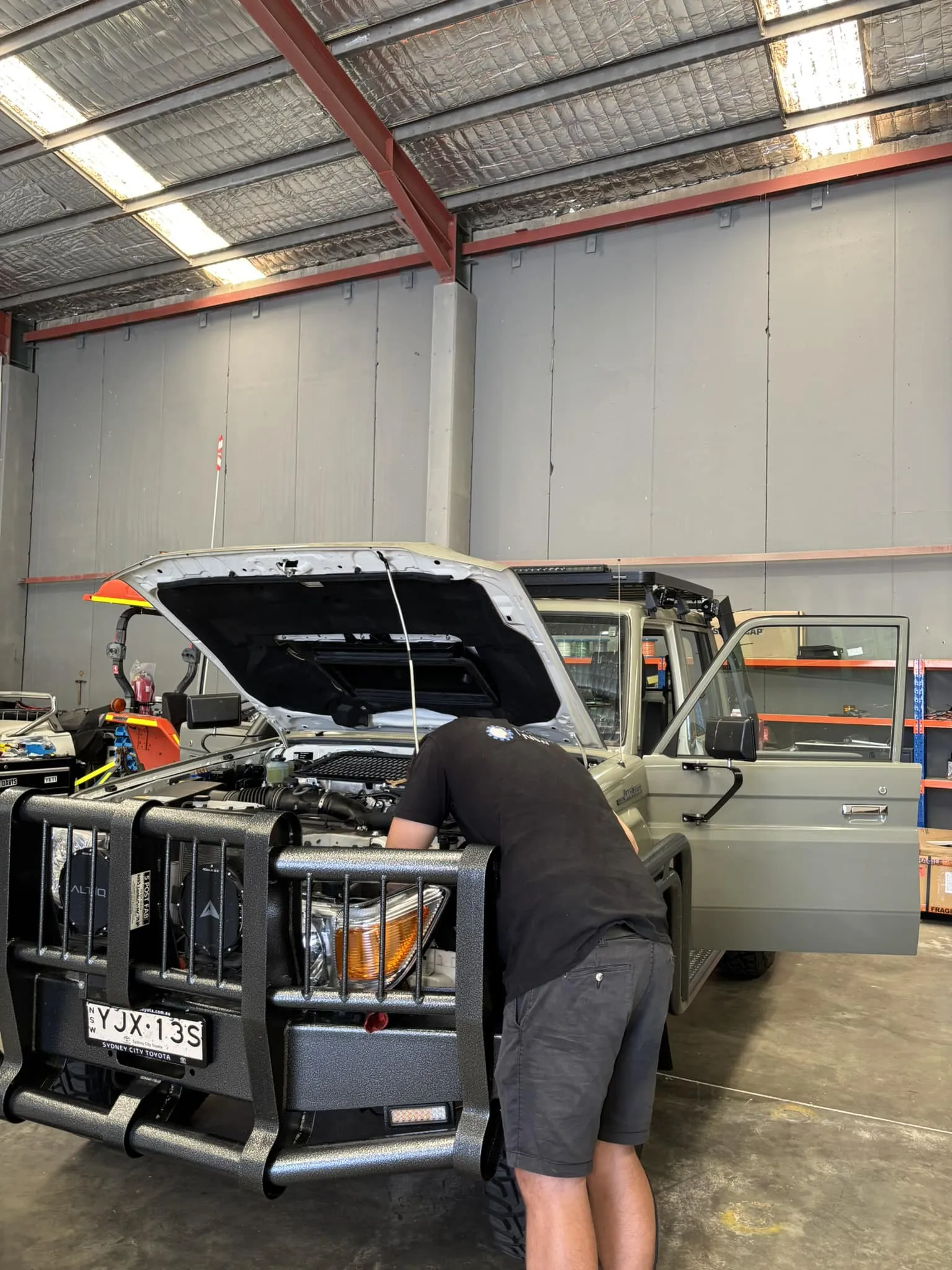
Designing a bespoke checklist, whether a full car service checklist or a detailed fleet maintenance checklist, involves aligning tasks with vehicle type, usage intensity and manufacturer service schedules. A tailored plan maximises relevance and efficiency.
Checklist design should consider:
Balancing these factors ensures that the checklist remains practical and compliant across all operations.
A multi-tiered schedule organises tasks by urgency and wear rate.
This frequency matrix promotes systematic coverage and prevents task overload in any single period.
Modern maintenance management software and mobile apps, often referred to as fleet maintenance software, automate reminders, record-keeping and reporting for individual vehicles and entire fleets.
| Application | Core Feature | Benefit |
|---|---|---|
| Fleet-Ops Manager | Automated scheduling | Ensures no task is overlooked |
| MobileCheck Pro | Digital pre-trip inspection forms | Streamlines pre-trip inspections |
| ServiceTracker | Maintenance history logs | Simplifies audit and resale reporting |
When selecting fleet maintenance software, look for:
These features support proactive management and enhance fleet uptime.
Preventive maintenance aligns scheduled actions with component lifecycles to avert breakdowns. A structured programme improves reliability and reduces total cost of ownership.
Begin by identifying critical systems, establishing inspection frequencies and assigning responsibilities. Educate technicians on procedures, track compliance via software and review performance metrics quarterly. A formal programme ensures consistent execution and continuous improvement in maintenance quality.
Preventive maintenance follows fixed intervals for inspections and part replacements, whereas predictive maintenance leverages condition-monitoring data—such as vibration analysis or oil debris sensors—to forecast failures.
Studies show that adopting predictive maintenance strategies, which utilise advanced technologies and data analytics for real-time monitoring, can lead to substantial improvements in fleet management. This includes reducing maintenance costs by up to 25% and increasing vehicle availability by 20%, by anticipating and addressing potential issues before they lead to breakdowns.
This citation provides specific, verifiable benefits of predictive maintenance, reinforcing the article’s discussion on how this approach enhances vehicle longevity and operational efficiency.
Combining both approaches balances routine servicing with data-driven interventions.
Preventive maintenance intercepts minor faults before they escalate into major repairs. By replacing brake pads ahead of excessive wear and monitoring coolant levels to avoid engine overheating, fleets minimise unscheduled downtime and extend part service life.
This approach yields a 12–18 percent reduction in maintenance costs compared with reactive repairs.
| KPI | Measure | Target |
|---|---|---|
| Fleet Uptime | Percentage of available vehicles | > 95% |
| Maintenance Cost per Mile | Total spend / distance covered | $0.10–$0.15 per mile |
| Schedule Compliance Rate | Completed tasks / planned tasks | > 98% |
| Unplanned Downtime Events | Incidents per month | < 2 per vehicle |
Monitoring these KPIs ensures that preventive strategies deliver measurable improvements in reliability and cost control.
Motor vehicles over three years old require an annual roadworthy certificate inspection covering brakes, tyres, lights, exhaust emissions and structural integrity. Commercial operators must comply with NHVR regulations, including routine inspections aligned to operator licences and annual safety audits, a key responsibility for any fleet management company.
The National Heavy Vehicle Regulator (NHVR) conducts maintenance investigations to ensure that vehicle operator licence holders in Australia maintain suitable systems and arrangements for vehicle upkeep. These investigations assess 14 key areas of compliance, including the thoroughness of inspection and maintenance records and the effectiveness of driver defect reporting.
This source verifies the legal and compliance requirements for vehicle maintenance in Australia, directly supporting the article’s section on roadworthy certificate and NHVR regulations for commercial fleets.
These reports document daily walkaround inspections of steering, brakes, lights and load security for commercial vehicles. Recorded by drivers before each trip, these reports establish a clear audit trail for NHVR enforcement and support operator licence conditions, forming a critical part of effective fleet management.
Failure to meet roadworthy certificate standards or maintain pre-trip inspection reports can result in fines, licence suspension and increased insurance premiums. More critically, neglected maintenance elevates accident risk, undermines occupant safety and incurs reputational damage in commercial operations.
Adhering to legal requirements preserves both safety and operational legitimacy.
A concise daily checklist for passenger cars, often a simplified version of a full car service checklist, covers:
Completing these checks each day prevents avoidable breakdowns on the road.
Commercial pre-trip inspections involve:
This structured process ensures both vehicle integrity and driver accountability before every journey, crucial for robust fleet management.
Common defects include low tyre pressure, worn brake pads, faulty lights, leaky hoses, and the illumination of a check engine light. Early detection through routine checks promotes targeted repairs, reducing the likelihood of roadside breakdowns and costly roadside recovery services.
Addressing frequent faults promptly supports uninterrupted operations and driver confidence.
Digital checklists improve accuracy through mandatory fields, deliver real-time alerts for overdue tasks and centralise records for compliance audits. Customisable forms adapt to specific vehicle types, ensuring that every relevant component appears in the inspection routine.
| Template Type | Format | Best Use |
|---|---|---|
| PDF Car Maintenance Checklist | Static PDF | DIY owners and small garages needing a full car service checklist |
| Excel Fleet Inspection Sheet | Spreadsheet | Medium-sized fleets tracking history with a custom fleet maintenance checklist |
| Mobile Inspection App Form | Interactive App | Large fleets requiring live updates, often integrated with fleet maintenance software |
Integrating telematics and IoT sensors automates data capture for odometer readings, engine diagnostics and tyre pressure monitoring. Automated triggers generate maintenance alerts when conditions deviate from defined thresholds, promoting a shift from calendar-based to condition-based servicing. This is a core capability of advanced fleet maintenance software.
This connectivity drives precision in maintenance planning and fosters data-driven cost savings.
Driving forward with confidence requires disciplined maintenance, clear scheduling and adherence to legal standards. A well-crafted vehicle maintenance checklist, whether a full car service checklist or a comprehensive fleet maintenance checklist, enhances safety, reduces costs and maximises uptime for cars, trucks and commercial fleets alike. By combining essential component checks, customised schedules and digital tools like fleet maintenance software, operators maintain peak performance and compliance under Australian regulations. Consistent use of these routines supports reliable journeys, stronger asset longevity and measurable operational improvements in fleet management.

Commercial vehicle servicing in Hunter Valley keeps mining, civil construction,
Fleet managers across the Hunter Valley — including Rutherford and
The approved extension gives contractors and fleet operators greater certainty
fleet vehicle inspection, car maintenance checklist, daily vehicle checklist, routine car maintenance checklist