
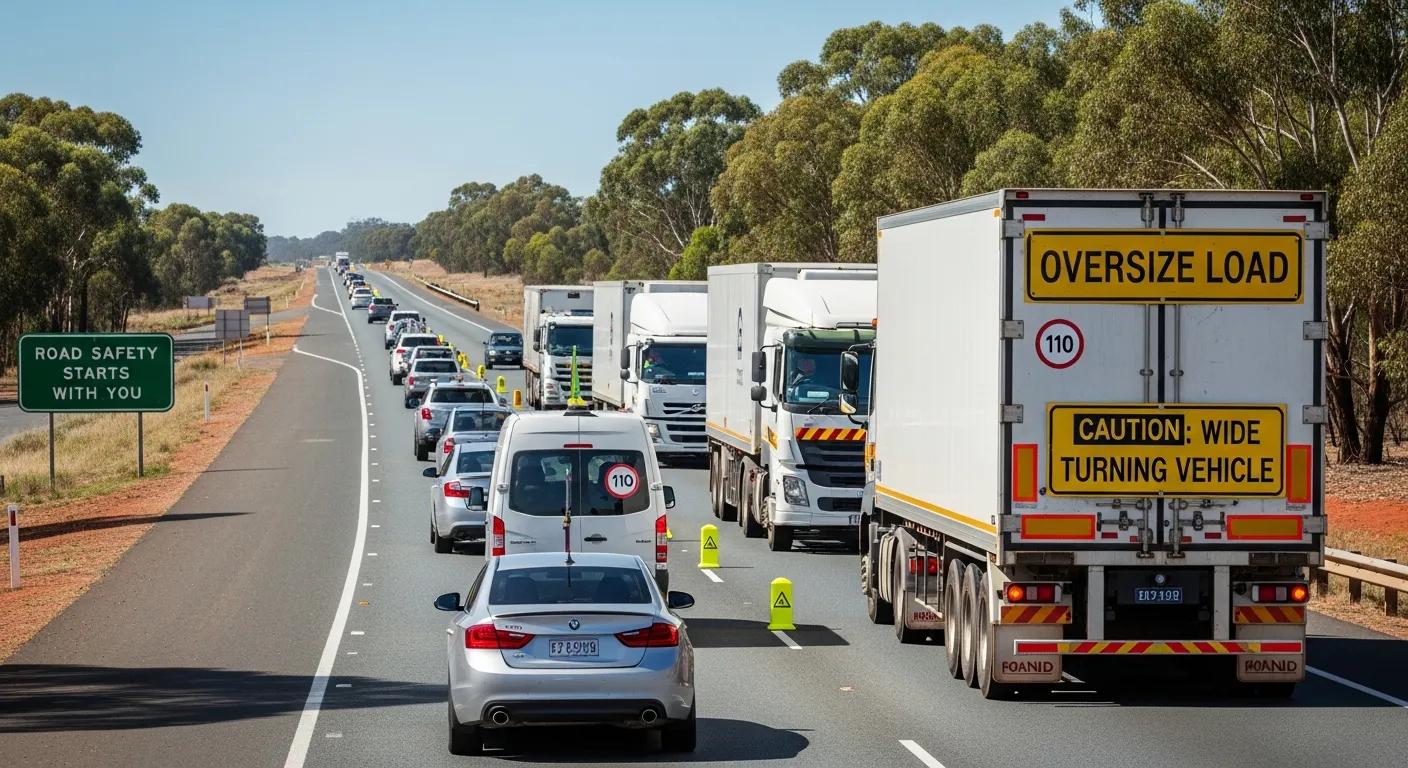
Effective fleet safety management combines strategic risk assessment, proactive driver oversight, and technology integration to lower accident rates and operational costs. As Australian operators face stringent compliance and rising insurance premiums, minimising fleet risk becomes a critical business priority and a moral responsibility for driver wellbeing. This guide examines the foundations of fleet risk management, explores driver training and telematics solutions, details legal obligations, outlines vehicle maintenance best practices, evaluates financial returns, and anticipates emerging trends through 2025. By weaving together driver safety, vehicle risk management, and telematics, organisations can build a cohesive program that delivers measurable results and sustained compliance.
Fleet risk management defines a structured approach to identifying hazards, implementing controls, and monitoring outcomes to prevent collisions and reduce costs. By systematically analysing driver behaviour, vehicle condition, and operational processes, organisations gain clarity on risk exposures while boosting safety and legal compliance. In the Australian context, effective fleet risk management protects driver wellbeing, minimises liability under Work Health and Safety (WHS) legislation, and cuts insurance outlay.
Fleet risk management reduces accidents by establishing clear policies, targeted training, and consistent monitoring, which together influence safer driving habits and vehicle reliability. As collisions decline, repair bills and insurance claims fall, freeing budget for productivity enhancements. Lower incident rates also translate into fewer vehicle downtimes and improved asset utilisation, strengthening overall fleet performance.
A comprehensive fleet risk program comprises four interlinked pillars—driver safety protocols, preventative vehicle maintenance, real-time telematics, and regulatory compliance. Integrating these elements ensures that every collision factor—from human behaviour to machine performance—is addressed proactively. Together, these pillars create a resilient framework that reduces injury risk, legal exposure, and hidden operational costs.
Driver safety, vehicle maintenance, and telematics form a unified risk-reduction ecosystem: monitoring software gathers behavioural and vehicle data, insights guide training and servicing schedules, and compliance audits validate standards. This continuous feedback loop aligns driver coaching with mechanical upkeep, ensuring that safety improvements in one area reinforce progress in the others. Effective fleet servicing keeps fleets both roadworthy and regulation-ready.
Driver training equips personnel with the skills to recognise hazards, control vehicle dynamics, and adhere to legal standards, resulting in fewer incidents and stronger compliance. By adopting tailored sessions in defensive driving and risk awareness, Australian fleets can meet state/territory road authority and National Heavy Vehicle Regulator (NHVR) requirements while empowering drivers to make safer decisions on every journey. Training investment yields immediate safety gains and long-term cultural change.
Successful training techniques combine classroom theory, on-road coaching, and simulator exercises to cover hazard perception, speed management, and eco-driving.
These methods foster practical skill development and lasting behavioural change, reducing collisions and fuel use simultaneously.
Real-time driver behaviour monitoring captures events such as harsh braking, excessive speed, and cornering forces through telematics devices.
By linking data to bespoke training, organisations drive continuous improvement and lower accident frequencies.
Fatigue management policies set mandatory rest breaks, journey time limits, and monitoring protocols to prevent drowsiness-related incidents.
Proper fatigue controls protect driver health and avoid legal breaches under the Heavy Vehicle National Law (HVNL) and state/territory road rules, supporting safer operations.
Routine licence checks validate entitlement categories and penalty points, preventing unqualified operation and uninsured losses.
Consistent licence verification upholds duty of care and mitigates reputational and financial exposure.
Telematics systems collect and analyse vehicle and driver data in real time, enabling proactive interventions that lower collision rates and maintenance costs. By harnessing GPS tracking, engine diagnostics, and behavioural scores, fleets gain actionable intelligence to refine processes and enforce standards. As a core technology pillar, telematics underpins predictive safety management and compliance reporting.
Real-time telematics offers immediate feedback on key metrics such as speed, braking, and idling to both drivers and managers.
This instantaneous insight fosters safer driving habits while optimising fuel economy and servicing schedules.
AI-powered predictive maintenance analyses telematics data—engine temperature, oil pressure, brake wear—to forecast component failures before breakdowns.
| Maintenance Parameter | Predictive Indicator | Benefit |
|---|---|---|
| Engine Vibration | Abnormal frequency patterns | Prevents costly engine repairs |
| Brake Pad Wear | Deceleration profile changes | Ensures consistent stopping power |
| Battery Voltage | Fluctuation trends | Minimises roadside failures |
Anticipating issues reduces unscheduled downtime, extends vehicle lifespans, and cuts repair bills by shifting from reactive fixes to planned servicing.
Forward-facing cameras record road events and driver actions, supplying visual evidence to clarify fault and guide corrective training.
Integrating video feeds with analytics deepens insight into root causes and reinforces safer practices.
Route optimisation algorithms design efficient itineraries that minimise journey time, accident exposure, and fuel use. Geofencing defines virtual perimeters to trigger alerts when vehicles enter high-risk zones or unauthorised areas.
Together, these tools heighten operational control and decrease risk on every trip.
Compliance with Australian regulations underpins legal operation, mitigates penalties, and demonstrates duty of care to drivers and the public. Key statutes from the NHVR, Safe Work Australia, and state/territory road authorities set mandatory standards for vehicle roadworthiness, driver qualifications, and safe working hours. Understanding these obligations remains vital to avoid fines, licence suspensions, and reputational damage.
Employers in Australia have a statutory duty of care under Work Health and Safety (WHS) legislation to ensure the health and safety of employees driving for work, extending to managing risks like fatigue. The Heavy Vehicle National Law (HVNL) governs heavy vehicle operations, including fatigue management and vehicle standards, while state and territory road rules apply to all vehicles. Regulators such as Safe Work Australia, state/territory WHS bodies, the National Heavy Vehicle Regulator (NHVR), and state/territory road authorities set mandatory standards for vehicle roadworthiness, driver qualifications, and safe working hours.
This research directly supports the article’s claims regarding legal obligations, duty of care, and compliance with Australian regulations under WHS legislation, the HVNL, and standards set by relevant state/territory and national authorities.
State/territory road authority regulations require regular vehicle inspections (e.g., for registration or specific vehicle types), periodic work diary or Electronic Work Diary (EWD) checks, and adherence to emission standards. Safe Work Australia and state/territory WHS guidelines mandate risk assessments, safety policy documentation, and management oversight under WHS legislation.
Aligning with these rules secures legal operation and supports continuous safety improvement.
Duty of care compels employers to protect drivers through training, equipment, and health screenings. Managers must document policies, address hazards, and investigate incidents promptly. Fulfilling this obligation reduces legal claims and fosters a safety-first culture that resonates with both regulators and insurers.
Grey fleets—employee-owned vehicles used for work—pose unique risks due to varied maintenance standards and insurance gaps. Best practices in Australia include:
These measures extend duty of care beyond company assets and limit liability for off-payroll drivers.
A structured accident reporting process captures incident details, witness statements, and telematics logs immediately.
Timely, thorough investigations drive continuous learning and reinforce compliance with legal obligations.
Vehicle risk management involves scheduling proactive inspections, servicing critical systems, and installing safety technologies to prevent breakdowns and collisions. By tracking repair history and matching it to operational data, fleets can prioritise interventions that deliver the greatest safety returns.
Preventative maintenance schedules outline regular checks—engine oil, brake fluid, tyre pressure—to guarantee roadworthiness.
| Service Interval | Inspection Activity | Safety Benefit |
|---|---|---|
| Every 10,000 km | Oil and filter change | Maintains engine health |
| Monthly | Tyre tread and pressure | Ensures optimal grip and control |
| Every 6 months | Brake system inspection | Confirms stopping performance |
Consistent adherence reduces mechanical failures and supports uninterrupted operations.
ADAS technologies—automatic emergency braking, lane-keep assist, and blind-spot monitoring—detect hazards faster than human reflexes and intervene to avoid or mitigate collisions.
These systems form a crucial layer of vehicle risk management by compensating for lapses in human attention.
Electric vehicles (EVs) offer lower emissions, reduced maintenance demands, and smoother acceleration, but present new challenges around battery degradation, charging infrastructure, and range planning.
When managed effectively, EV fleets deliver substantial cost savings, reduced carbon footprint, and enhanced corporate reputation.
Robust security measures—immobilisers, GPS tracking, and secure parking protocols—deter theft and vandalism.
Protecting assets preserves operational capacity and avoids reputational harm.
Investing in fleet safety yields tangible ROI through lower insurance premiums, reduced accident costs, and heightened productivity. By comparing upfront program expenses against measurable outcomes, organisations build a compelling business case for sustained safety budgets and technology adoption.
Beyond direct repair bills and medical expenses, accidents incur hidden costs such as administrative time, legal fees, reputation damage, and increased insurance premiums. A single serious collision can exceed millions in total cost when all factors—downtime, fines, lost contracts—are counted, making proactive risk management a strategic necessity.
Fleet accidents incur significant hidden costs beyond immediate repairs, including lost productivity, reputational damage, and increased insurance premiums. Work-related road crashes are a major concern in Australia, with substantial economic and social costs. Implementing telematics systems, especially when combined with driver feedback, has been shown to reduce accident rates by up to 20%. Furthermore, driver training can lead to substantial fuel efficiency improvements (10-30%) and overall reductions in operational costs and insurance premiums.
This research provides verified data on the substantial financial impact of fleet accidents and the measurable benefits of investing in telematics and driver training, reinforcing the article’s claims about ROI and effective risk reduction strategies.
Insurers reward fleets that demonstrate low claims frequency and robust safety programs with premium discounts and enhanced coverage terms. Regular audits, telematics-driven scorecards, and documented training outcomes validate reduced risk profiles, driving down ongoing insurance outlay and increasing negotiating leverage.
Calculating ROI involves comparing program costs against accident reductions, fuel savings, and downtime prevented.
By attributing financial gains to specific interventions, managers can prioritise high-impact initiatives.
Fuel efficiency gains of 5–15 percent from driver coaching and route planning translate into substantial annual savings, while well-maintained vehicles experience fewer breakdowns, cutting downtime by up to 30 percent. Combined, these benefits fund ongoing safety investments and elevate commercial performance.
Emerging technologies and evolving regulations point to a future where AI-driven analytics, 5G connectivity, and sector-specific solutions redefine fleet safety. Staying ahead of these trends enables early adopters to secure competitive advantage and exceed rising stakeholder expectations.
High-speed 5G networks will support low-latency data transfer for real-time AI analytics on driver and vehicle performance. Advanced algorithms will detect subtle risk patterns—microsleeps, component fatigue—and trigger immediate interventions, creating predictive safety environments that continuously evolve with operational needs.
Next-generation driver monitoring systems will combine facial recognition, eye-movement tracking, and alcohol interlocks to verify sobriety and emotional alertness before ignition. By layering biometric sensors with behavioural analytics, these solutions will ensure that only fit-for-duty drivers operate vehicles.
As telematics and ADAS systems converge on IoT platforms, securing data pipelines and control interfaces will become vital. End-to-end encryption, intrusion detection, and over-the-air update authenticity checks will protect fleets against cyber hacks that could compromise safety systems or expose sensitive operational data.
Sectors such as construction, logistics, and healthcare are adopting tailored risk frameworks that address unique hazards—heavy loads, time-critical deliveries, patient transport. By overlaying standard safety pillars with bespoke controls, operators achieve both regulatory compliance and operational resilience in specialised environments.
Fleet safety management unites structured risk assessment with targeted training, technology, and compliance to drive down accidents and costs. Implementing preventative maintenance schedules alongside advanced driver assistance and telematics analytics keeps vehicles roadworthy and drivers alert. Financial analysis confirms that safety programs deliver strong ROI through reduced insurance premiums, fuel savings, and minimal downtime. Embracing emerging trends—AI, 5G, cybersecurity, and industry-specific controls—ensures that Australian fleets remain ahead of regulatory demands and maintain a competitive edge.

Commercial vehicle servicing in Hunter Valley keeps mining, civil construction,
Fleet managers across the Hunter Valley — including Rutherford and
The approved extension gives contractors and fleet operators greater certainty
leading fleet safety for small fleets, how to reduce fleet safety risk best practices fleet safety risk reduction, fleet safety system australia, fleet safety solution, on road fleet safety management, mining fleet safety management, fleet safety inspections, fleet risk management companies, truck fleet safety